Satisfying Valorant Clips That Show Phoenix Mastery
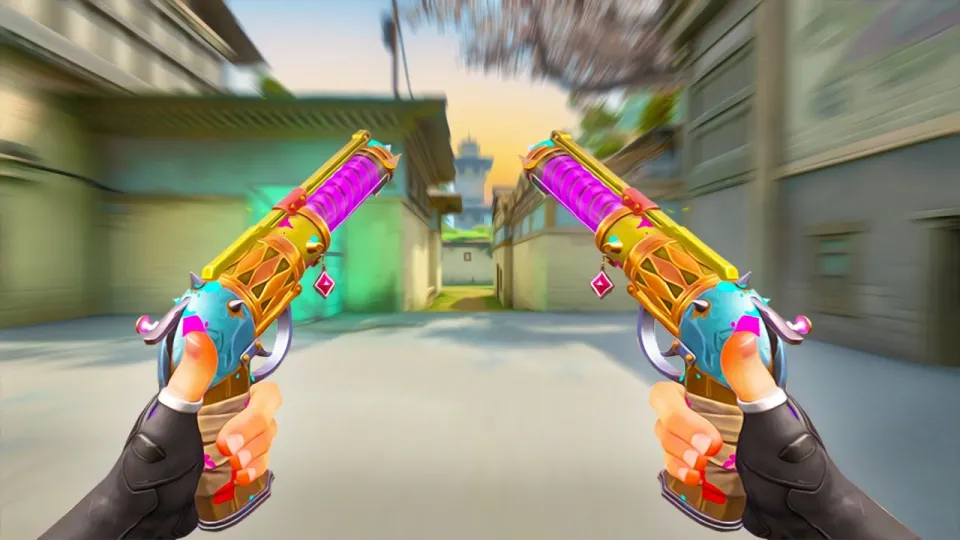
Video: 20 Minutes of Satisfying Valorant Clips
Need articles like this for your video? They help promote it on YouTube and Google — order them in the Telegram bot @sat_sit_bot. The bot writes and publishes the articles itself (with your YouTube video embedded) on popular topical websites (no ads). Try it free: 50 articles on us.
· based on the channel Rawzu
Valorant is a 5v5 tactical shooter where two teams of five fight over spike sites, and the most satisfying clips usually come from aggressive duelists who win fights before the enemy can react. Phoenix is one of those duelists: his Blaze wall blocks vision and burns anyone who crosses it, Curveball blinds even around corners, and Run it Back lets him dive first and respawn on his own marker. The clip compilation from Rawzu, streamed live on Kick, shows exactly why that kit produces highlight-reel moments.
Why Phoenix Clips Feel So Satisfying
Phoenix rewards players who push first and think about the trade afterward. His kit is designed to take space: Blaze cuts a site in half and forces defenders to either reposition or eat damage, while Curveball curves around cover so a blind lands even when the enemy is hiding behind a box. Hot Hands gives him a molly that heals him when it damages enemies, which turns a lost duel into a second chance.
The ultimate, Run it Back, is the real highlight engine. Phoenix marks his position, dives into a fight, and if he dies he returns to the marker with full health. That means he can entry a site alone, burn two defenders, and still be alive when the rest of the team walks in. In a clip compilation, this reads as pure confidence: a player sprinting into a 1v3, trading himself for two kills, and reappearing untouched.
Movement, Strafing, and the Rawzu Playstyle
Movement is what separates a clean Phoenix clip from a lucky one. Rawzu plays on 400 DPI with 0.625 in-game sensitivity, a setup that sits on the slower end of the pro spectrum and favors precise micro-adjustments over flick-heavy aim. Strafing between shots, counter-strafing to stop instantly, and peeking wide with Blaze up are the habits that make those one-taps look effortless.
Stretched resolution at 1440x1080 widens enemy models on screen, which makes targets easier to track during fast swings. Combined with a Zowie XL2566K at 360Hz, the result is smoother motion clarity on every peek. None of this replaces game sense, but it does raise the ceiling on mechanical consistency.
Settings and Crosshair Reference
A consistent config removes variables from your aim. Rawzu's setup is compact and easy to copy:
- Sensitivity: 400 DPI with 0.625 in-game, a low effective sensitivity for stable tracking.
- Resolution: 1440x1080 stretched, which widens hitboxes visually.
- Crosshair: 1-6-2-2, a compact static crosshair that keeps the center of the screen readable.
- Mouse: Lamzu Maya X, a lightweight wireless shape suited to claw grip.
- Mousepad: Zowie H-SR-SE 2 Blue, a control surface that slows micro-flicks slightly.
- Monitor: Zowie XL2566K at 360Hz for high-refresh tracking.
Copying a pro config is a starting point, not a finish line. Spend a week on the sensitivity before judging it, and change one variable at a time so you can actually tell what helped.
Common Viewer Questions About These Clips
Viewers consistently ask the same things under satisfying Valorant compilations, and the answers usually come down to fundamentals rather than secrets.
The first recurring question is about aim: how do the one-taps land so often? The honest answer is crosshair placement. Rawzu keeps the crosshair at head level on every angle before the enemy appears, so the flick distance is tiny. That is a habit built in deathmatch and custom aim routines, not a sensitivity trick.
The second is about movement speed, which viewers describe as impossible to keep up with. Fast movement in Valorant comes from counter-strafing: tap the opposite key to stop instantly, shoot, then strafe again. It looks like constant motion because the player never stands still while firing.
The third is about teammates. Several comments note how supportive the squad sounds, calling out and hyping kills rather than tilting. A duo or trio that communicates calmly makes aggressive Phoenix plays far more viable, because someone is always ready to trade.
The fourth is about round economy and loadouts. One comment points out a round-two buy with a Vandal, full abilities, and full shields, which is only possible after a strong pistol round or a bonus. Managing that economy is what lets a duelist keep buying the rifle they are comfortable with instead of dropping to a Spectre.
Reading the Highlights Like a Coach
Watching a satisfying clip compilation is more useful when you treat each moment as a decision, not just a kill. Ask what the player saw before the fight: a sound cue, a teammate's callout, or a common angle the defender always holds.
Phoenix's kit makes those decisions visible. When Blaze goes up, the player is committing to a lane. When Curveball flies, they are buying a timing window. When Run it Back activates, they are accepting a trade they expect to lose and planning to re-enter. Clips that look like raw aim are usually layered ability usage plus a read on where the enemy will be.
For players stuck in lower ranks, the practical takeaway is to pick one habit per session. Track head level for a week. Counter-strafe before every shot for a week. Use Blaze to split a site instead of just blocking a choke. Small, repeatable adjustments beat copying an entire config at once.
Useful Links
- Live streams and daily gameplay: https://kick.com/rawzu
- Original music from the creator: https://open.spotify.com/artist/6DbATPR1PTNMx7U918bg1Q
- Community Discord: https://discord.gg/axnFwyvxp3
Final Thoughts on Satisfying Valorant Gameplay
The appeal of a 20-minute clip compilation is that it compresses hundreds of small decisions into pure spectacle, and Phoenix is the perfect agent for that format because his entire kit is built around aggression. Rawzu's channel turns those decisions into a repeatable watch: low sensitivity, stretched resolution, disciplined crosshair placement, and a duelist who never enters a fight without an exit plan. If you want to play like the clips, start with crosshair placement and counter-strafing, then layer in Blaze and Curveball timings. Watch Rawzu live on Kick to see the same approach applied in real matches, round after round, without the editing.
Key takeaways
- Phoenix is an offensive Valorant duelist built around Blaze, Curveball, Hot Hands, and the Run it Back ultimate.
- Rawzu plays on 400 DPI with 0.625 in-game sensitivity at 1440x1080 stretched resolution.
- Crosshair code is 1-6-2-2, mouse is a Lamzu Maya X on a Zowie H-SR-SE 2 Blue pad.
- Monitor is a Zowie XL2566K running at 360Hz, which matters for tracking fast peeks.
- The 20-minute clip compilation draws consistent praise for movement speed and one-taps.
Source: 20 Minutes of Satisfying Valorant Clips · Markdown version
Questions & answers
What sensitivity and DPI does Rawzu use in Valorant?
Rawzu runs 400 DPI with 0.625 in-game sensitivity, which is a low effective sensitivity. This favors stable tracking and micro-adjustments over large flicks. Pair it with a lightweight mouse and a control mousepad for the same feel.
Why do streamers use stretched resolution like 1440x1080 in Valorant?
Stretched resolutions widen enemy models on screen, making targets appear larger and easier to track during fast swings. Rawzu plays at 1440x1080 with a 360Hz monitor. The trade-off is slightly distorted peripheral vision, so it suits aggressive entry players.
How do players get so many one-taps in satisfying Valorant clips?
It is almost always crosshair placement rather than raw flick speed. Keeping the crosshair at head level before an enemy appears shortens the distance you need to adjust. Combine that with counter-strafing to stop instantly before shooting.
Is Phoenix a good agent for aggressive players in Valorant?
Yes. Phoenix is an offensive duelist whose Blaze wall blocks vision and deals damage, Curveball blinds around corners, and Run it Back lets him entry first and respawn at his marker. Hot Hands gives him self-healing, so he can take fights and recover.